
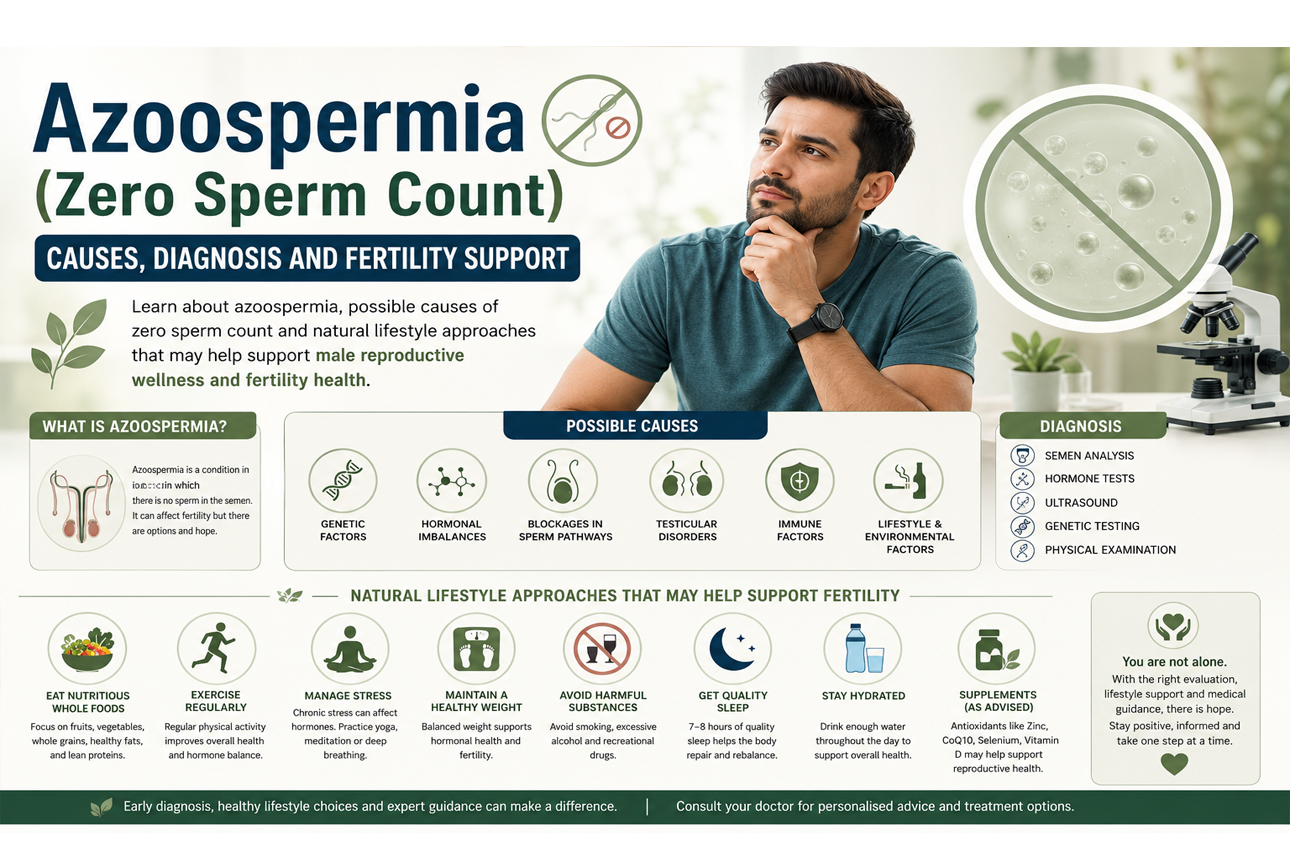
Azoospermia (Zero Sperm Count) Causes, Diagnosis and Fertility Support
For many couples trying to conceive, fertility challenges can be emotionally difficult. One condition that may affect male fertility is azoospermia, commonly known as zero sperm count.
Although receiving an azoospermia diagnosis can feel overwhelming, understanding the condition and available support options can help men make informed decisions about their reproductive health.
What Is Azoospermia?
Azoospermia is a condition in which no sperm are found in the semen during laboratory testing.
It is estimated that azoospermia affects a small percentage of men but accounts for a significant number of male infertility cases.
A proper medical evaluation is essential to identify the underlying cause and determine appropriate management options.
Types of Azoospermia
1. Obstructive Azoospermia
In this type, sperm may be produced normally but are unable to reach the semen because of a blockage in the reproductive tract.
2. Non-Obstructive Azoospermia
In this type, sperm production may be significantly reduced or absent due to issues affecting the testes or hormonal function.
Common Causes of Azoospermia
Several factors may contribute to azoospermia.
Hormonal Imbalances
Hormones play an important role in sperm production. Disruptions in hormone levels may affect fertility.
Genetic Factors
Certain inherited conditions may influence reproductive function.
Previous Infections
Some infections may affect reproductive tissues and fertility.
Blockages in the Reproductive Tract
Physical obstructions can prevent sperm from reaching the semen.
Exposure to Environmental Toxins
Long-term exposure to certain chemicals or pollutants may impact reproductive health.
Lifestyle Factors
Smoking, excessive alcohol consumption, chronic stress and poor nutrition may negatively affect overall wellness.
Symptoms of Azoospermia
Many men with azoospermia may not notice obvious symptoms.
Possible signs may include:
- Difficulty conceiving
- Reduced fertility
- Low libido in some cases
- Hormonal imbalance-related symptoms
- Reduced energy levels
However, diagnosis can only be confirmed through medical testing.
How Is Azoospermia Diagnosed?
Doctors may recommend:
Semen Analysis
A laboratory examination of semen is the primary method used to identify azoospermia.
Hormone Testing
Blood tests may help evaluate hormonal function.
Physical Examination
A healthcare professional may assess reproductive health through examination.
Imaging Studies
Certain imaging techniques may be used when needed.
Genetic Testing
In selected cases, genetic evaluation may be recommended.
Can Men with Azoospermia Become Fathers?
The answer depends on the underlying cause.
Advances in reproductive medicine have improved options for many individuals facing fertility challenges.
A fertility specialist can help determine the most appropriate approach based on the diagnosis.
Natural Lifestyle Habits That Support Reproductive Wellness
While lifestyle changes may not address all causes of azoospermia, maintaining overall health remains important.
Eat a Balanced Diet
Focus on:
- Fresh fruits
- Vegetables
- Whole grains
- Protein-rich foods
- Healthy fats
Exercise Regularly
Moderate physical activity supports overall health and well-being.
Manage Stress
Chronic stress may affect hormonal balance and reproductive wellness.
Helpful practices include:
- Yoga
- Meditation
- Walking
- Deep breathing exercises
Maintain Healthy Sleep Habits
Aim for 7–8 hours of quality sleep each night.
Avoid Smoking and Excessive Alcohol
Limiting harmful lifestyle habits may support long-term wellness.
Traditional Ayurvedic Herbs Used for Male Wellness
Ayurveda has traditionally used various herbs to support vitality and reproductive health.
Ashwagandha
Traditionally valued for supporting energy, stamina and overall wellness.
Safed Musli
A popular Ayurvedic herb traditionally used for men’s vitality.
Shilajit
Widely known in Ayurveda as a rejuvenating ingredient.
Gokshura
Traditionally included in formulations supporting male wellness.
Guduchi
Commonly used to support general health and immunity.
Ayurvedic Support for Male Reproductive Wellness
AYUBIOSCIENCE Retason contains traditional Ayurvedic ingredients including Musli, Ashwagandha, Shilajit, Shatavari, Guduchi, Gokshura and other carefully selected herbs traditionally used to support vitality, stamina and reproductive wellness.
Healthy Daily Habits for Men
- Eat nutritious foods
- Exercise regularly
- Maintain healthy body weight
- Sleep adequately
- Stay hydrated
- Manage stress
- Avoid smoking
- Limit alcohol consumption
Consistency in daily habits can contribute to overall well-being.
Conclusion
Azoospermia is a condition that may affect male fertility, but understanding its causes and available support options is an important first step.
A healthy lifestyle, proper medical evaluation and long-term focus on overall wellness can help men take positive steps toward supporting their reproductive health.
Add comment